
As an avid TV watcher and a creative person who loves to judge things, I have a lot to say about the programs that appear on Netflix. Some shows are worthy of all the buzz they create; Stranger Things is a fun and unique romp into the past; Black Mirror terrifies people because it capitalizes on a fear of change that we've had in our society since the very beginning of technology; Orange is the New Black allows people to see an authentic view of humans in prison without all of the classic prison tropes. For the most part, Netflix does a good job of incorporating innovative stories with a level of free speech that has never been seen on television before. Still, the main objective of Netflix as a corporation is to make money, and like all businesses in capitalism, money is going to drive your decisions.
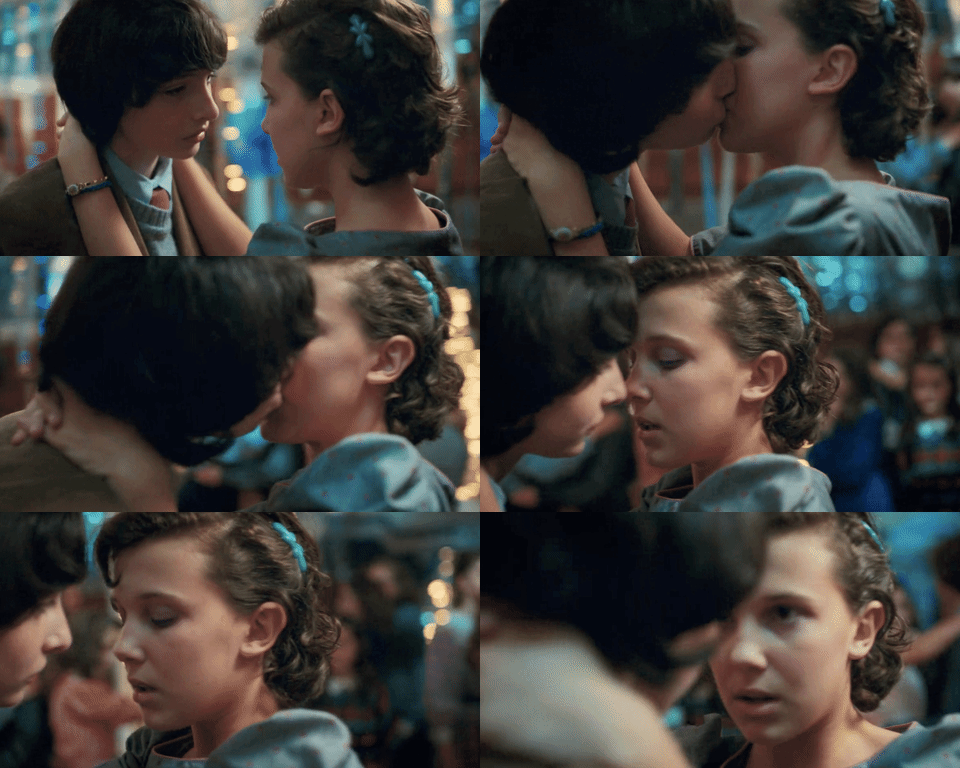
So now we've come to the main focus of this article. When it comes to entertaining people what should be more important: money or connections that your show makes with its viewers? Many people would argue that the shows I've listed above accomplish both the money the company is looking for and the fulfillment the audience is looking for. Orange is the New Black resonates with members of the LBGTQ+ community and opens viewers eyes to the very real struggles that living in prison can have on a person, as well as what can drive a person to commit crimes. Stranger Things makes people feel nostalgic, excites and scares people with its sci-fi plot lines, and warms people's hearts with the Mike and Elle storyline, (some people anyway, I think they're a weird couple).
But of course, we're not here to talk about what Netflix is doing right. I'm far too angry with them for that currently. What's the cause of this anger, you may ask? Well, dear reader, Netflix canceled the fabulous show Everything Sucks and gave 13 Reasons Why a second season. I plan on giving each show their own post which will discuss the positive and negative aspects these shows contain and why or why not they should continue to exist. But for now, let's just accept the fact that 13 Reasons Why (13RW) is problematic and Everything Sucks (ES) is a better, healthier show. Even if you disagree, put that aside for a moment because this article isn't really about which show is better, but rather what the ultimate responsibility of television is. Also, please note that Netflix does not publically release their viewer data, so all ratings discussed are speculative, but within reason.
 When 13RW first premiered in March 2017, it created an uproar of media support and bashing. 13RW is based on a novel of the same name that details the story of Hannah Baker, a girl who commits suicide and leaves 13 tapes to document the reasons which drove her to suicide. The initial release of the show sparked concerns of copycat suicides and the controversy of depicting both a rape scene and a suicide scene in a very graphic manner. One thing Netflix should learn is that just because you don't have sensors, doesn't mean you should let your shows become a free-for-all. Saying the word fuck a lot? Acceptable. Showing a girl slit her wrists in a bathtub? Um, maybe not a good idea.
A study conducted by JAMA Internal Medicine reports, "Google queries about suicide rose by almost 20 percent in 19 days after the show came out, representing between 900,000 and 1.5 million more searches than usual regarding the subject." The show was the most tweeted television show of 2017 and continued to make headlines for months. With the release of a second season, nothing has changed. There are still headlines, outrage, and binge-watching sessions of this ridiculous show. This time around, the creators have included an extremely disturbing and graphic scene of a male student being beaten in a bathroom by bullies who anally rape him with a mop. Yeah, you read that right.
For a show that says they are trying to communicate these "hard to talk about" topics, they have no problem showing them. Even though the creators have been criticized by actual professionals in the fields of psychology and otherwise, the creators continue to defend their television show.
I did watch the first season when it came out, and I was disappointed with it, to say the least. I decided to not watch the second season because the first was, in my opinion, awful. When I discovered that my friends were watching the second season, I asked what made them decide to watch it. The majority of answers I received were along the lines of, "I heard it was controversial so I want to be on top of the drama." Yes, that's a great reason to watch a show.

13RW and all of the controversies work in the same way. People hear a news story about a controversial show and decide to queue it up to see for themselves. This generates views, and views generate money, especially on a streaming service much like Netflix. On regular network television, shows will get canceled if they don't get the right number of ratings. The network moves on and finds something else to fill the spot that will keep viewers of the station tuning in. On Netflix, the same principle applies, but more content is created to keep people subscribing each month.
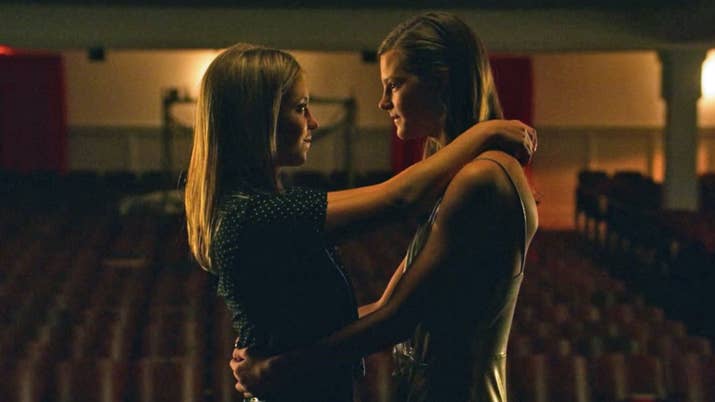
 The show did have mixed reviews, many people thought that throwing it back to the 90s deserved a comparison to Stranger Things, which led to negative reviews. Some critics believed that the plot twist of Kate being gay didn't happen fast enough. There are also numerous articles which capitalize on the series's unfortunate name to explain their feelings towards the show. However, it never created a controversy, it inspired and comforted the fans that it did earn, and it was a progressive and unique show. Still, without the ratings, Netflix axed it.
This leads to us answering our original question, should networks like Netflix, make shows that garner a lot of profit, or shows that make real, positive connections to audiences? While a perfect world would allow companies to do both, as seen in this case it is not always possible. For me, I want to see shows that accurately represent minorities, connect with audiences, and truly entertain them. Think of how formative your favorite movies or television shows were for you as a child. Would you even be the same person if you hadn't seen that particular program? For a queer person struggling with their identity, watching a show like Everything Sucks can remind them that they are ok and that things will work out in the end. Hell, it might even save them from ending up in a 13 Reasons Why situation. When surveyed, 86% of people aged 14-18 said that they would rather see the second season of Everything Sucks over 13 Reasons Why.
So while money might make America work (well, in theory, that is) it is clearly not the most important thing. I hope that one-day shows will be created and renewed based on the good it does for the audience it was intended for, and not just created because of the revenue that it could earn.
Take some time to consider your opinion on this topic and perhaps, with the right connections, actual change could be created.
Comments
Post a Comment